Powering Electric Mobility: How Transformers Support EV Charging Infrastructure?

Electric mobility continues to gain momentum across Canada. According to Statistics Canada, more than 264,000 zero-emission vehicles were sold in 2024, accounting for approximately 15% of new vehicle sales nationwide. [statcan.gc.ca], [cer-rec.gc.ca]

To support this growth, EV infrastructure continues to expand across the country. Specifically, the number of public charging stations continues to increase as governments, utilities, and private operators invest in improving access to electric mobility. [tc.canada.ca]

As this infrastructure grows, the electrical systems supporting it must be able to meet increasingly demanding operating conditions. While charging stations are the visible face of this transition, transformers are a critical component working behind the scenes to deliver reliable and efficient power. They play a central role in supporting everything from Level 2 chargers to high-power DC fast charging installations. 

The Challenges of EV Charging Infrastructure


Unlike traditional electrical loads, EV charging stations operate under highly dynamic conditions. Demand can fluctuate significantly throughout the day, from long periods of low utilization to peak charging events when multiple vehicles are connected simultaneously.


Charging installations also face several electrical and environmental challenges, including:

  • Variable and unpredictable loads
  • Harmonics generated by power electronic equipment
  • Increased risk of overheating
  • Outdoor temperature variations
  • The need for high efficiency and long-term reliability

These factors can impact power quality, equipment performance, and operating costs if not properly addressed.
EV charging article_2

Key Considerations When Choosing an EV Charging Transformer

  EV charging article_1  

Selecting the right transformer is essential to ensuring reliable charging station performance and long-term infrastructure success.

Variable Load Performance

EV charging demand can vary significantly throughout the day. Transformers must perform efficiently under both light and heavy loading conditions.


Thermal Performance

Frequent load fluctuations and high-power charging can generate additional heat. Proper thermal design helps ensure reliability and longer transformer life.


Harmonic Mitigation

The power electronics used in EV chargers can introduce harmonics into the electrical system. Transformers designed for these applications help maintain power quality and reduce the risk of overheating.


Energy Efficiency

High-efficiency transformers minimize losses, reduce operating costs, and support sustainability objectives.


Environmental Conditions

Outdoor charging infrastructure must operate reliably through changing weather conditions, including extreme temperatures, rain, snow, and humidity.


Scalability

As EV adoption continues to grow, charging sites often require expansion. Transformer solutions should support future capacity increases without compromising performance.


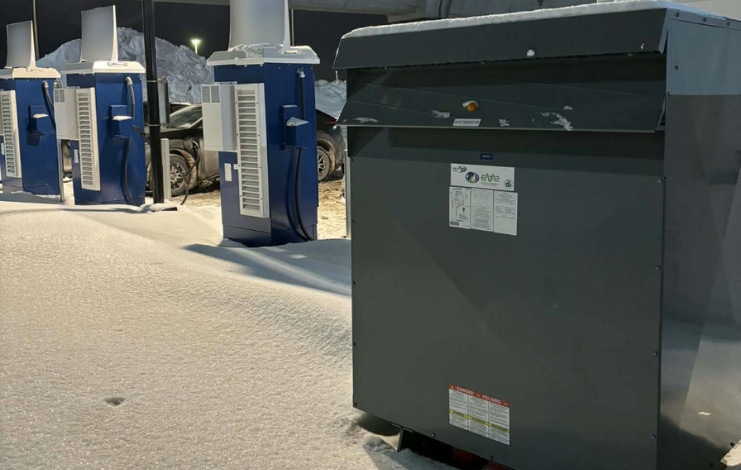
Delta EVE Transformers: Designed for EV Charging

EV charging article_3  

Delta EVE transformers are specifically designed to meet the requirements of electric vehicle built to accommodate the load fluctuations commonly found in EV charging applications, from low-utilization periods to high-demand charging sessions, helping ensure reliable and efficient performance.

By combining reliability, efficiency, and application-specific design, EVE transformers help support the growing demands of today's EV charging infrastructure.


Conclusion


The continued growth of electric vehicles is creating new demands on charging infrastructure and the electrical systems that support it. Selecting transformers that can effectively manage fluctuating loads, harmonics, thermal stresses, and efficiency requirements is critical to ensuring reliable long-term operation.

Whether supporting a new installation or replacing existing infrastructure, Delta Transformers works closely with customers to evaluate the economic, environmental, reliability, and long-term performance requirements of every project.